Homes
Residential solar systems planned around daytime use, electricity bills, roof space and backup needs.
Compare solar system types
Compare on-grid, hybrid, off-grid, water-pumping and water-heating solutions designed around how your site actually uses energy.
Residential, commercial and industrial
SSES assesses the site, load profile and operating priorities before recommending a system. This keeps the design relevant whether the goal is lower home electricity bills, business daytime savings or dependable power for an industrial facility.
Residential solar systems planned around daytime use, electricity bills, roof space and backup needs.
Commercial solar for shops, offices and other sites that want to reduce daytime grid consumption.
Solar designs based on operating hours, three-phase loads, available space and continuity requirements.
We serve homeowners, businesses and industrial customers in these areas and other locations across Karachi.
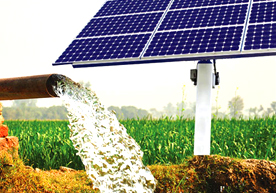
The system operates on power generated using solar PV (photovoltaic) system.
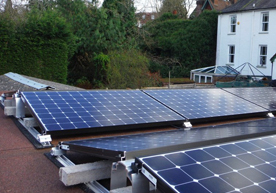
On-grid or grid-tie solar systems are by far the most common & widely used.
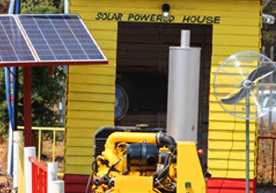
An off-grid system is not connected to the electricity grid.
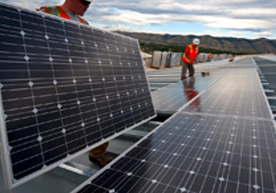
The system operates on power generated using solar PV (photovoltaic) system.

Investigationes demonstraverunt lectore legere me lius quod ii legunt saepius.
Plan your system
Share your property type, energy use and project goals with SSES.
Price, quality and value
The cheapest quotation is not automatically the best-value solar installation. A fair comparison uses the same technical requirement and checks what is included throughout the system’s working life.
A useful proposal should reflect your bills or load profile, operating hours, roof or ground space, shading and backup requirement.
Review exact equipment models, mounting structure, electrical protection, installation, testing and any approval-related work—not price alone.
Check expected generation, manufacturer and workmanship warranties, local support, monitoring and maintenance requirements.
Choosing a solar system
A professional installation normally includes load assessment, site survey, system design, equipment selection, mounting, electrical protection, installation, testing and commissioning. The exact scope should be confirmed in the project proposal.
Yes. SSES evaluates homes, offices, shops, factories, farms and remote sites. Commercial and industrial projects require particular attention to operating hours, three-phase loads, roof or ground space and continuity requirements.
Yes. SSES provides solar site assessment, system design and installation for homeowners, businesses and industrial customers in these areas and across Karachi. Availability and the recommended system depend on the property, load and site conditions.
Compare companies on site assessment, engineering design, exact equipment models, mounting and electrical protection, installation standards, warranty terms, after-sales support and documented project experience. The best fit is the company whose proposal matches your load, site and long-term operating needs.
Not necessarily. A lower price may exclude mounting quality, electrical protection, monitoring, installation scope, warranty support or equipment suitable for the site. Compare the complete scope and expected service life rather than the total price alone.
Check that each quotation uses the same required capacity and backup scope, then compare panel and inverter model numbers, battery specifications where applicable, structure, protections, expected generation, warranties, installation work, testing and after-sales support.
No. On-grid systems normally operate without batteries. Hybrid and off-grid systems use batteries when backup or grid independence is required. Battery capacity should be based on the essential load and required backup duration.
No. The bill is a useful starting point, but correct sizing also depends on load timing, roof space, shading, grid conditions, backup needs and future demand.