Solar Systems in Pakistan: The Ultimate 2025 Guide
A complete 2025 guide to choosing the right solar system in Pakistan. Discover on-grid, off-grid, and hybrid solutions, compare costs, and explore benefits, financing, and government policies.
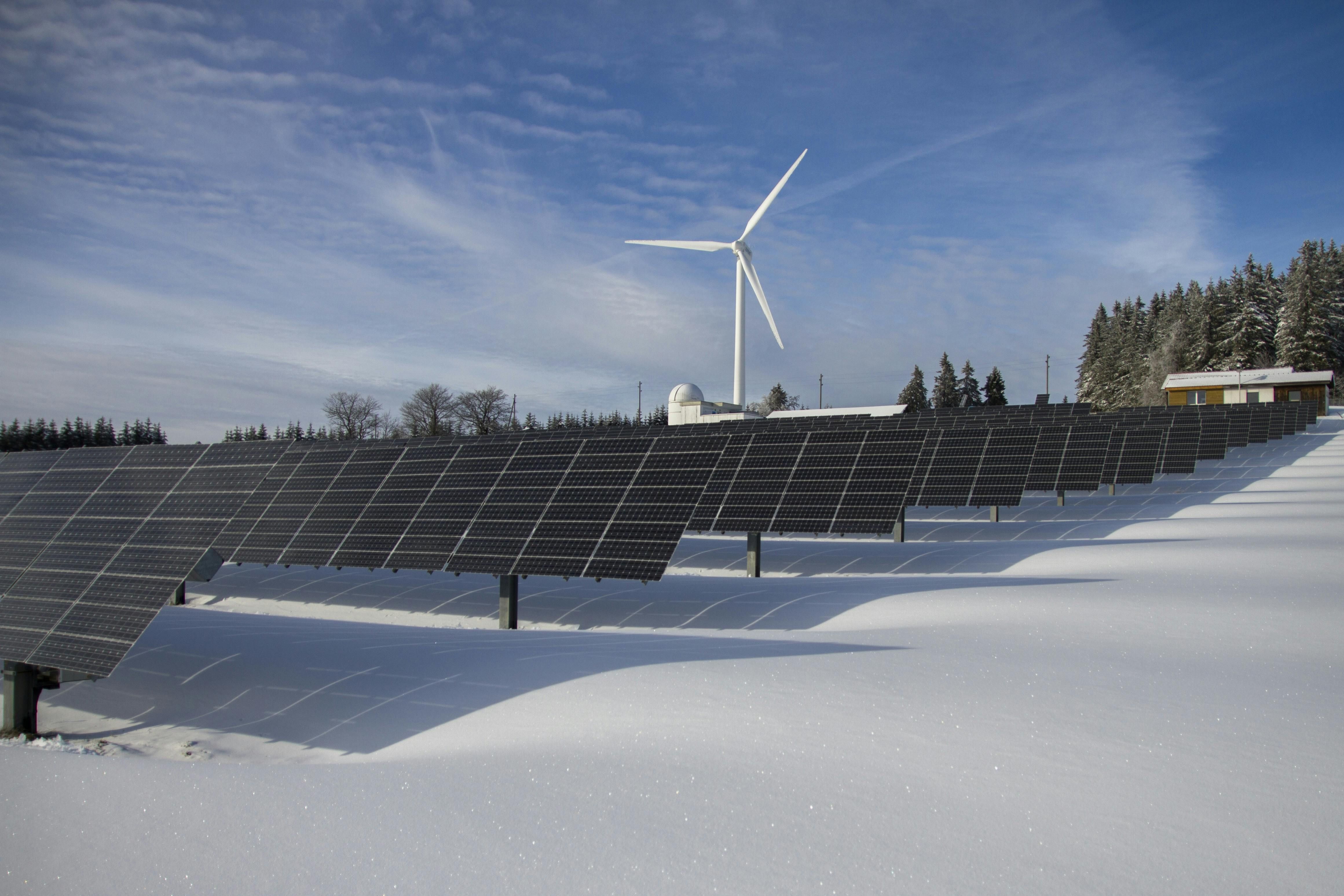
Pakistan is entering a new era of energy transformation. With rising electricity tariffs, frequent load shedding, and a growing demand for sustainable energy, solar power is no longer just an alternative—it is becoming a necessity for homeowners, businesses, and industries. But with multiple solar options available—on-grid, off-grid, and hybrid—many people find it challenging to decide which system suits their needs best.
This guide is designed to help you understand every aspect of solar systems in Pakistan, from costs and benefits to installation and government policies, so you can make an informed decision in 2025.
Why Solar Energy is the Future of Pakistan
Pakistan is geographically positioned to take maximum advantage of solar energy. With more than 300 sunny days per year, most regions can produce electricity efficiently throughout the year. In fact, areas like Balochistan and Sindh receive some of the highest solar radiation levels in South Asia.
- Affordable Energy: After installation, solar systems drastically reduce or even eliminate monthly electricity bills.
- Resilience to Load Shedding: Properly sized systems can keep essential appliances running during power outages.
- Environmental Benefits: Solar reduces carbon emissions, lowering Pakistan’s reliance on fossil fuels.
- Job Creation: The solar sector is creating employment opportunities across engineering, sales, and technical services.
- Energy Security: By adopting solar, Pakistan reduces its dependence on imported fuels.
Types of Solar Systems in Pakistan
To choose the right solar system, you must first understand the three main categories:
1. On-Grid (Grid-Tied) Solar System
An on-grid system connects directly to the national grid. During the day, your solar panels produce energy for your home. If excess power is generated, it is exported to the grid, and you earn credits through net metering.
- Best for: Urban households and businesses with reliable WAPDA connections.
- Advantages: Lower installation cost (no batteries), supports net metering, faster ROI.
- Limitations: Cannot provide backup during load shedding without additional equipment.
2. Off-Grid Solar System
An off-grid system works independently and requires batteries to store electricity for use at night or during cloudy weather.
- Best for: Villages and rural areas with little or no access to WAPDA.
- Advantages: Complete independence from grid electricity, uninterrupted supply.
- Limitations: Expensive because of batteries, requires regular maintenance.
3. Hybrid Solar System
A hybrid system combines the benefits of both on-grid and off-grid solutions. It connects to the grid while also using batteries for storage.
- Best for: Homes and businesses in cities that face frequent load shedding but still want net metering benefits.
- Advantages: Provides backup power during outages, flexible energy management, allows selling excess electricity.
- Limitations: Higher initial cost than on-grid systems.
Cost of Solar Systems in Pakistan (2025 Update)
Solar system prices vary depending on the size, quality, and type of equipment installed. Below is an estimated price range for common system sizes in Pakistan (excluding government subsidies and financing options):
| System Size | Type | Estimated Cost (PKR) |
|---|---|---|
| 3kW | On-Grid | 450,000 – 550,000 |
| 5kW | On-Grid | 750,000 – 950,000 |
| 10kW | On-Grid | 1,450,000 – 1,650,000 |
| 5kW | Hybrid | 1,100,000 – 1,300,000 |
| 10kW | Hybrid | 2,100,000 – 2,350,000 |
| 5kW | Off-Grid | 1,200,000 – 1,400,000 |
Note: Actual prices depend on brand (JA Solar, Longi, Canadian Solar, etc.), inverter quality, and installation complexity.
How to Choose the Right Solar System
Choosing the right solar system requires careful consideration of your energy needs, location, and budget. Follow these steps:
- Analyze consumption: Review your last 6–12 months’ bills. For example, a family consuming 600–700 units/month will need a 5kW system.
- Consider budget: On-grid systems are most affordable, hybrid balances cost and reliability, while off-grid is ideal for remote areas.
- Factor in location: Urban → On-grid or hybrid. Rural → Off-grid or hybrid.
- Plan for expansion: Choose an inverter that allows future capacity upgrades.
Government Policies & Net Metering
The Government of Pakistan, through NEPRA, has introduced net metering to encourage solar adoption. With net metering, homeowners can sell excess power to the grid and offset their bills.
- Eligibility: Minimum 3kW system.
- Approval: Granted by local DISCOs (LESCO, K-Electric, MEPCO, etc.).
- Benefits: Monthly bills can drop to almost zero, depending on consumption and solar production.
Solar Panel Efficiency and Innovations
Efficiency plays a critical role in determining the performance of solar panels. Over the years, technological advancements have improved solar efficiency rates, allowing modern panels to convert more sunlight into electricity than ever before. High-efficiency panels, such as those made with monocrystalline cells, can achieve efficiencies above 22%, making them ideal for locations with limited roof space. On the other hand, polycrystalline panels provide a balance of cost-effectiveness and efficiency, often ranging from 15% to 17% efficiency. In Pakistan, homeowners and businesses can choose the type of panel that best suits their needs and budgets.
Beyond efficiency, innovation in solar technology is rapidly transforming the industry. For instance, bifacial solar panels capture sunlight from both sides, increasing total energy output, especially in areas with reflective surfaces such as deserts or snowy regions. Similarly, thin-film solar panels are lightweight and flexible, making them suitable for unique applications such as curved rooftops or portable solar systems. These innovations demonstrate how solar energy continues to evolve to meet diverse consumer needs.
Overcoming Challenges of Solar Adoption
Despite its benefits, solar energy adoption comes with challenges. One common issue in Pakistan is the upfront cost of installation, which can be a hurdle for many households and small businesses. However, as the demand for solar grows, costs are steadily decreasing, and financial institutions are offering more accessible loan programs to support renewable energy adoption. Government initiatives, tax incentives, and subsidies also play an important role in making solar affordable.
Another challenge lies in the maintenance and durability of solar systems. While solar panels are highly durable and typically last 25–30 years, in dusty regions like Pakistan, regular cleaning is essential to maintain efficiency. Inverters and batteries may also require replacement during the lifespan of the system. Fortunately, with proper care and professional maintenance, these challenges can be effectively managed, ensuring reliable performance.
Solar Energy and Rural Development
One of the most promising aspects of solar energy is its potential to transform rural communities. Many villages in Pakistan still lack access to reliable electricity. By implementing small-scale solar systems, these communities can gain access to lighting, refrigeration, and communication technologies, dramatically improving their quality of life. Solar water pumps, for example, help farmers irrigate crops efficiently, reducing dependence on expensive fuel-powered pumps. Similarly, solar-powered schools and clinics provide essential services to rural populations.
Decentralized solar energy solutions empower rural areas to become self-sufficient, reducing reliance on the national grid. This not only fosters development but also reduces rural-to-urban migration by improving opportunities and living standards in villages.
How Businesses Benefit from Solar Power
Businesses in Pakistan are increasingly recognizing the advantages of solar adoption. Commercial and industrial facilities often face high electricity bills due to large-scale operations. By switching to solar, these businesses can significantly cut operational costs. Moreover, uninterrupted solar power reduces downtime caused by load shedding, ensuring continuous production and service delivery.
Adopting solar also enhances a company’s brand reputation by demonstrating its commitment to sustainability and environmental responsibility. Many global corporations now require their partners to follow green practices, so investing in solar energy also makes Pakistani businesses more competitive in international markets. Over time, solar power becomes not just a cost-saving measure but a strategic investment for growth and competitiveness.
Solar Energy and Pakistan’s Future
The adoption of solar energy has the potential to redefine Pakistan’s future. As energy demands continue to rise, investing in renewables ensures long-term stability and resilience. By leveraging its abundant sunlight, Pakistan can position itself as a regional leader in renewable energy, reducing reliance on imported fuels and enhancing energy independence.
Moreover, widespread solar adoption contributes to climate change mitigation. By reducing greenhouse gas emissions, Pakistan can meet its international environmental commitments while protecting its citizens from the adverse impacts of global warming. Cleaner air, reduced reliance on fossil fuels, and improved public health are just some of the benefits of embracing solar at a national scale.
Conclusion
Solar energy represents one of the most powerful opportunities for Pakistan to achieve energy independence, reduce costs, and combat climate change. From households lowering their bills to rural communities accessing electricity for the first time, the benefits of solar are far-reaching. With supportive government policies, affordable financing, and continuous technological advancements, solar energy is no longer a luxury—it is a necessity for sustainable growth.
By making the switch to solar today, Pakistan is not just harnessing the power of the sun—it is investing in a brighter, cleaner, and more resilient tomorrow.
SSES Team
Solar Energy Expert
Our expert team brings years of experience in solar energy solutions, providing valuable insights and practical advice for your energy needs.
Solar Panel Efficiency Guide
Learn about different panel types and their efficiency ratings
Net Metering Explained
Understanding Pakistan's net metering policies
Solar ROI Calculator
Calculate your solar investment returns