On-Grid Solar Systems in Pakistan: Complete 2025 Guide
Learn everything about On-Grid Solar Systems in Pakistan. This 2025 guide covers working, benefits, costs, net metering, and why businesses and homes are switching to grid-tied solar.
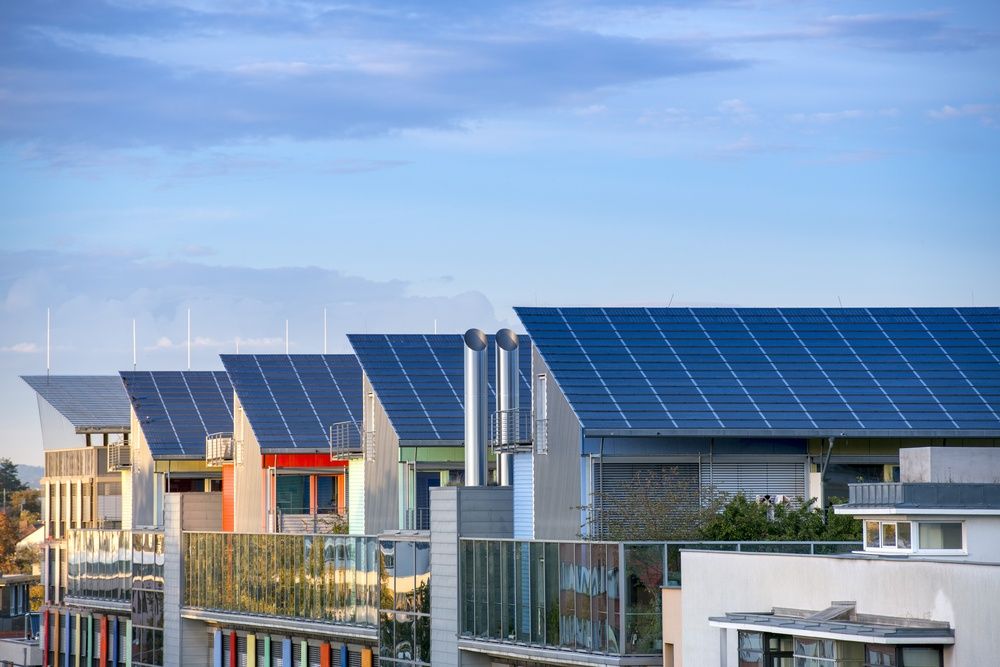
Pakistan is currently experiencing a massive shift toward renewable energy, with solar power becoming the most popular choice among households and businesses. Among the different types of solar solutions available—on-grid, off-grid, and hybrid—the on-grid solar system is one of the most widely adopted in urban areas. These systems, also known as grid-tied systems, directly connect with the national grid, allowing homeowners and companies to generate electricity while also benefiting from net metering policies.
This guide will provide a complete overview of on-grid solar systems in Pakistan for 2025, including their working mechanism, advantages, installation process, costs, and why they have become a game-changer for the energy sector.
What is an On-Grid Solar System?
An on-grid solar system is designed to work in synchronization with the main electricity grid. It consists of solar panels that capture sunlight and convert it into direct current (DC) electricity, which is then converted into alternating current (AC) through an inverter. This electricity can be used directly to power appliances in your home or business. If the generated energy exceeds your consumption, the extra electricity is fed back into the grid.
Key Components of On-Grid Solar Systems
- Solar Panels: Capture sunlight and generate DC electricity.
- Grid-Tied Inverter: Converts DC into usable AC electricity.
- Net Meter: Records the amount of electricity imported from and exported to the grid.
- Safety Switches & Wiring: Ensure smooth and safe operation of the system.
How On-Grid Solar Systems Work in Pakistan
In Pakistan, on-grid systems operate under the net metering policy
| Step | Process | Outcome |
|---|---|---|
| 1 | Solar panels absorb sunlight | Generates DC electricity |
| 2 | Inverter converts DC to AC | Electricity ready for use |
| 3 | Power household/office appliances | Reduced grid dependency |
| 4 | Excess power sent to grid | Net metering credits earned |
Advantages of On-Grid Solar Systems in Pakistan
- Lower Electricity Bills: Net metering ensures that every extra unit of electricity you produce reduces your future bills.
- High Efficiency: These systems are highly efficient since they don’t require batteries, which often cause energy loss.
- Cost-Effective Setup: Compared to hybrid and off-grid systems, on-grid systems are relatively cheaper due to the absence of battery storage.
- Eco-Friendly: They reduce reliance on fossil fuels, lowering carbon emissions.
- Scalable: Can easily be expanded with additional panels in the future.
Challenges of On-Grid Systems in Pakistan
While on-grid solar systems offer immense benefits, they also come with some challenges:
- They only work when the national grid is active. During power outages, your system will shut down for safety reasons.
- Initial costs, although lower than off-grid setups, can still be a hurdle for some households.
- Approval for net metering requires regulatory paperwork and inspections.
Cost of On-Grid Solar Systems in Pakistan (2025)
The cost of on-grid solar systems in Pakistan varies based on capacity, equipment brand, and installation quality. Here’s an approximate breakdown of system sizes and their costs in 2025:
| System Size | Approximate Cost (PKR) | Average Monthly Savings | Suitable For |
|---|---|---|---|
| 3kW | 550,000 – 650,000 | 8,000 – 12,000 | Small homes, shops |
| 5kW | 850,000 – 1,050,000 | 15,000 – 20,000 | Medium homes, offices |
| 10kW | 1,600,000 – 1,900,000 | 30,000 – 35,000 | Large homes, small industries |
| 20kW+ | 3,000,000+ | 60,000+ | Factories, commercial plazas |
Net Metering in Pakistan: How It Works
One of the biggest attractions of on-grid solar systems in Pakistan is net metering. This government-backed policy allows consumers to send excess solar electricity back to the grid and earn credits. These credits are then adjusted against future bills, enabling you to save money in the long run.
Net Metering Approval Process
- Application Submission: Consumers apply through their local DISCO (Distribution Company).
- Technical Inspection: The DISCO inspects the site to verify compliance with NEPRA standards.
- Meter Installation: A bi-directional meter is installed that can measure both imports and exports of electricity.
- Connection Approval: After testing, the system is formally connected for net metering.
This process may take between 2 to 6 months depending on the efficiency of the local distribution company, but once approved, the benefits are significant and long-lasting.
Return on Investment (ROI)
For many Pakistani households and businesses, investing in on-grid solar systems is not just about sustainability, but also about financial returns. On average, most systems pay back their initial investment within 3–5 years. After this payback period, the savings directly translate into profit.
| System Size | Average Monthly Bill Before Solar (PKR) | Average Monthly Bill After Solar (PKR) | Estimated Payback Period |
|---|---|---|---|
| 5kW | 20,000 | 2,000–4,000 | 3–4 years |
| 10kW | 40,000 | 3,000–6,000 | 3 years |
| 20kW | 80,000+ | 5,000–10,000 | 2.5–3 years |
Suitability of On-Grid Systems in Pakistan
On-grid solar systems are best suited for:
- Urban households with stable grid connections.
- Commercial setups like offices, retail shops, and educational institutions.
- Industries aiming to cut down electricity costs while maintaining continuous operations.
However, in areas where load-shedding or long blackouts are common, hybrid or off-grid systems may be more effective, as on-grid setups automatically shut down when the grid goes offline.
Government Policies & Incentives
The Pakistani government, through NEPRA and AEDB, has been actively promoting solar adoption. Net metering licenses have already been granted to thousands of consumers across the country. Moreover, the government has announced tax exemptions on solar imports and simplified the import process to encourage more installations.
These policies are expected to make on-grid solar even more accessible in 2025, with projections suggesting that installed solar capacity in Pakistan could cross 3,000 MW by the end of the year.
Case Study: On-Grid Solar for a Medium-Sized Home
To better understand the impact of an on-grid solar system, let’s look at an example of a 10kW installation in Lahore:
- Installation Cost: PKR 1,700,000
- Monthly Savings: PKR 30,000
- Annual Savings: PKR 360,000
- Payback Period: 3–4 years
This example highlights how solar can transform household energy economics, especially when coupled with net metering.
Future of On-Grid Solar in Pakistan
The future of on-grid solar in Pakistan looks bright. With rising electricity tariffs, frequent energy crises, and growing environmental awareness, more households and businesses are turning to solar. Technological improvements in solar panels and inverters are also making systems more efficient and durable.
Experts predict that by 2030, nearly 20–25% of Pakistan’s urban households will be powered by solar systems, with on-grid setups leading the way due to their affordability and simplicity.
Conclusion
On-grid solar systems are a practical, affordable, and eco-friendly solution for Pakistan’s growing energy needs. With the benefits of net metering, reduced costs, and government incentives, switching to solar in 2025 makes more sense than ever. Whether you are a homeowner or a business owner, an on-grid solar system can provide both short-term savings and long-term energy independence.
Key Takeaways:
- On-grid systems work directly with the national grid and don’t require batteries.
- They are cost-effective and highly efficient, especially in urban areas.
- Net metering offers significant financial advantages.
- Government incentives make solar adoption easier than ever.
As energy demands increase, the choice is clear: Investing in an on-grid solar system today means a brighter, more sustainable tomorrow for Pakistan.
SSES Team
Solar Energy Expert
Our expert team brings years of experience in solar energy solutions, providing valuable insights and practical advice for your energy needs.
Solar Panel Efficiency Guide
Learn about different panel types and their efficiency ratings
Net Metering Explained
Understanding Pakistan's net metering policies
Solar ROI Calculator
Calculate your solar investment returns