Hybrid Solar Systems in Pakistan: Complete 2025 Buyer’s Guide
Discover everything about hybrid solar systems in Pakistan. This complete 2025 guide explains how hybrid solar works, benefits, costs, net metering, battery backup, and why it’s the smart choice for homes and businesses facing load-shedding.
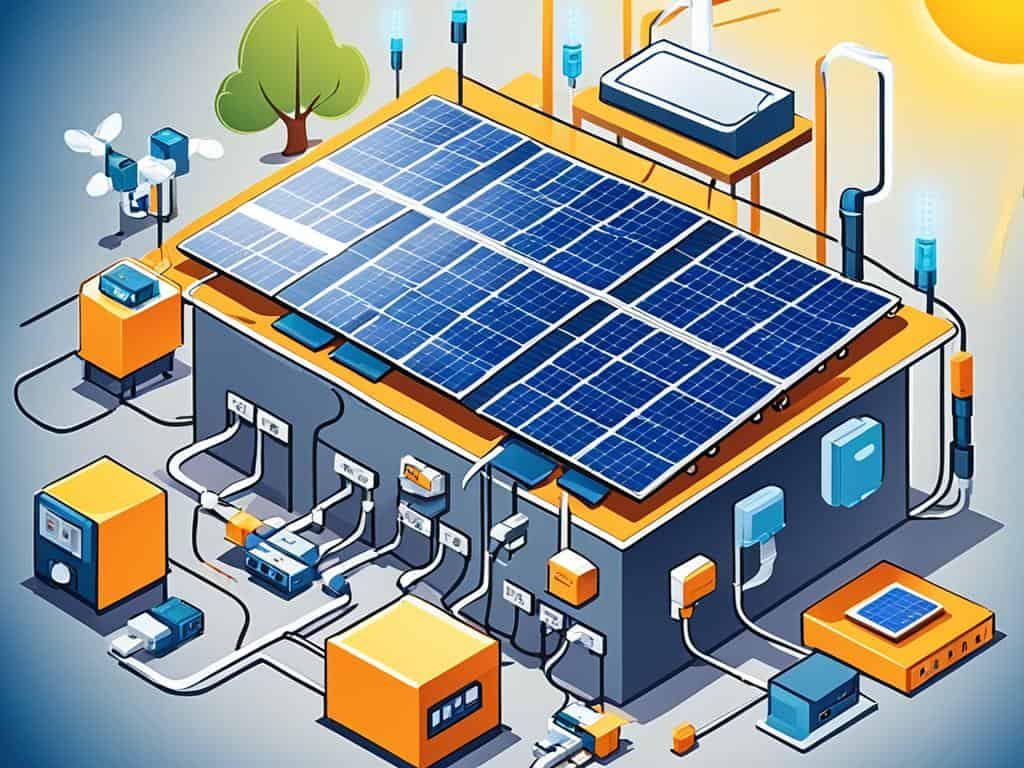
Pakistan’s energy crisis has made renewable energy more important than ever before. Load-shedding, rising electricity tariffs, and an unreliable grid system have forced households and businesses to look for sustainable energy solutions. While on-grid solar systems provide cost savings and off-grid systems ensure independence, hybrid solar systems combine the best of both worlds.
A hybrid solar system integrates solar panels, an inverter, batteries, and a connection to the national grid. It allows you to generate your own power, store excess electricity in batteries for backup, and also benefit from net metering when connected to the grid. This makes hybrid systems a powerful and flexible solution, particularly in areas where electricity shortages are frequent.
Why Hybrid Solar Systems Are Becoming Popular in 2025
In 2025, the demand for hybrid solar systems in Pakistan has risen significantly. More households in urban and semi-urban areas are choosing hybrid setups because they address two major pain points:
- Unreliable grid supply with hours of load-shedding.
- Rising electricity costs, making traditional power unaffordable.
Hybrid systems provide energy independence without completely cutting ties with the grid. They also ensure that your home or business never goes dark, even when the grid fails.
How Does a Hybrid Solar System Work?
Hybrid solar systems function through the integration of solar panels, batteries, and grid connectivity. Here’s the step-by-step process:
| Step | Process | Outcome |
|---|---|---|
| 1 | Solar panels capture sunlight | Generates DC electricity |
| 2 | Hybrid inverter converts DC into AC | Powers appliances with solar energy |
| 3 | Excess energy stored in batteries | Backup power available during load-shedding |
| 4 | Extra electricity exported to the grid | Earn credits through net metering |
Key Components of a Hybrid Solar System
- Solar Panels: Capture sunlight to generate electricity.
- Hybrid Inverter: Manages power distribution between grid, home, and batteries.
- Battery Bank: Stores energy for later use.
- Net Meter: Tracks imported and exported electricity.
- Monitoring System: Provides real-time data on solar generation and usage.
Benefits of Hybrid Solar Systems in Pakistan
- 24/7 Power Supply: With batteries, you’re protected against load-shedding.
- Lower Bills: Solar generation combined with net metering slashes electricity costs.
- Energy Independence: Reduces reliance on WAPDA or K-Electric.
- Eco-Friendly: Cuts down on fossil fuel use and reduces carbon footprint.
- Future-Proof: Can be upgraded with more panels or batteries.
Challenges of Hybrid Systems
Despite their popularity, hybrid systems have some challenges:
- High Initial Cost: Batteries significantly increase setup costs.
- Battery Maintenance: Batteries need replacement every 5–7 years depending on usage.
- Space Requirement: Large battery banks require dedicated installation space.
Cost of Hybrid Solar Systems in Pakistan (2025)
The cost of hybrid solar systems varies based on system size, battery capacity, and brand. Below is an approximate breakdown:
| System Size | Approximate Cost (PKR) | Battery Backup | Suitable For |
|---|---|---|---|
| 3kW | 750,000 – 950,000 | 4–6 hours | Small homes, shops |
| 5kW | 1,200,000 – 1,500,000 | 6–8 hours | Medium homes, offices |
| 10kW | 2,200,000 – 2,800,000 | 8–12 hours | Large homes, villas |
| 20kW+ | 4,000,000+ | 12–16 hours | Industries, factories |
ROI (Return on Investment) for Hybrid Systems
Although hybrid systems cost more than on-grid ones, they provide a strong return in the long run. With rising electricity tariffs, most households recover their investment within 5–7 years. After this period, the savings begin to directly benefit the consumer.
Real-Life Applications of Solar Water Pumping Systems in Pakistan
To understand the full scope of solar water pumping systems, it’s crucial to explore real-life applications across different industries in Pakistan. These applications showcase how solar pumps are transforming agriculture, livestock farming, community development, and even government initiatives.
Agriculture and Irrigation
Pakistan’s agricultural sector is the backbone of its economy, and water availability is a constant challenge. Solar pumps provide reliable irrigation solutions, particularly in Punjab and Sindh, where water-intensive crops like wheat, rice, and sugarcane dominate. Farmers using solar pumps report higher yields due to consistent water supply and reduced dependency on diesel fuel.
- Wheat and Rice Cultivation: Solar-powered tube wells ensure timely irrigation, preventing crop loss during peak growth seasons.
- Fruit Orchards: Mango, citrus, and date palm orchards benefit from drip irrigation powered by solar water pumps, saving water and improving crop quality.
- Vegetable Farming: Solar pumps enable small-scale farmers to irrigate kitchen gardens and cash crops without added fuel expenses.
Livestock Farming
In rural areas, access to water for livestock can be difficult, especially in arid regions. Solar pumps provide sustainable water sources for cattle, goats, and poultry, ensuring animal health and productivity. By eliminating the cost of transporting water, livestock farmers save significant operational costs.
Community Water Supply
Beyond agriculture, solar water pumps are increasingly used to supply drinking water in rural and peri-urban communities. Non-governmental organizations (NGOs) and government bodies install solar pumping systems to provide clean, safe water in areas with limited or no grid access.
Government and NGO Initiatives
The Government of Pakistan, in partnership with organizations such as USAID and FAO, has initiated projects that subsidize the cost of solar pumps. These initiatives not only promote renewable energy but also support water conservation and rural development.
| Program/Project | Implementing Body | Focus Area | Impact |
|---|---|---|---|
| Solar Tube Well Initiative | Government of Punjab | Agriculture Irrigation | Reduced diesel consumption, improved crop yields |
| Renewable Energy for Rural Water | USAID | Community Water Supply | Access to clean water in over 200 villages |
| FAO Solar Irrigation Project | FAO Pakistan | Water-Efficient Farming | Adoption of drip irrigation and water conservation |
Challenges Facing Solar Water Pumping Systems
Despite the advantages, solar water pumping systems in Pakistan face several challenges. Understanding these challenges is essential for designing better solutions and promoting adoption on a wider scale.
- High Initial Cost: Although long-term savings are significant, the upfront cost of panels, inverters, and installation remains a hurdle for many small-scale farmers.
- Maintenance Expertise: Many rural areas lack trained technicians for maintaining solar pumps, leading to downtime when systems break down.
- Water Table Decline: Excessive groundwater extraction, even with solar pumps, can lower the water table, creating long-term sustainability issues.
- Lack of Awareness: Farmers in remote regions may not fully understand the financial and environmental benefits of solar pumping systems.
- Policy Gaps: Although subsidies exist, policy implementation is inconsistent, creating barriers for widespread adoption.
Technological Innovations in Solar Water Pumping
New technologies are constantly improving the efficiency, reliability, and affordability of solar water pumps. These innovations ensure that farmers and communities receive better performance at lower costs.
- Hybrid Solar Pumps: These systems integrate solar energy with grid or diesel backup, ensuring uninterrupted operation during cloudy days or high-demand hours.
- IoT Integration: Farmers can now monitor water levels, pump performance, and solar output using mobile apps and IoT sensors.
- High-Efficiency Panels: Modern solar panels offer higher conversion rates, reducing the total number of panels required for a given water output.
- Battery-Less Systems: Direct solar pumping systems avoid the cost of batteries by operating during peak sunlight hours, ideal for irrigation schedules.
Case Study: Solar Pumping in Tharparkar
Tharparkar, one of Pakistan’s most water-scarce regions, has seen remarkable improvements through solar water pumping projects. NGOs and government agencies installed solar-powered boreholes to provide both drinking water and irrigation facilities. The outcome has been life-changing:
- Women no longer need to walk long distances to fetch water.
- Livestock mortality rates have declined due to consistent water availability.
- Small-scale farming has become possible, improving food security in the region.
Future of Solar Water Pumping in Pakistan
The future of solar water pumping systems in Pakistan is promising. With falling solar panel costs, increasing government support, and growing environmental awareness, adoption is set to accelerate. Key developments include:
- Scalability: Large-scale adoption across millions of farmers.
- Export Opportunities: Local manufacturing of solar equipment can open international markets.
- Sustainability Programs: Government-backed training for farmers to use water efficiently with solar pumps.
- Research and Development: Universities and research centers focusing on water-saving irrigation techniques combined with renewable energy.
Conclusion
Solar water pumping systems are a game-changer for Pakistan’s agricultural and rural communities. They address critical challenges such as rising energy costs, unreliable electricity, and water scarcity, while offering a sustainable and eco-friendly alternative. Although challenges like upfront costs and maintenance need solutions, the long-term benefits far outweigh these hurdles. With continued government support, technological advancements, and community adoption, solar water pumping systems can secure Pakistan’s water and energy future.
By investing in solar water pumping today, Pakistan can ensure a brighter, more sustainable tomorrow—one where farmers thrive, communities prosper, and the environment is protected for generations to come.
SSES Team
Solar Energy Expert
Our expert team brings years of experience in solar energy solutions, providing valuable insights and practical advice for your energy needs.
Solar Panel Efficiency Guide
Learn about different panel types and their efficiency ratings
Net Metering Explained
Understanding Pakistan's net metering policies
Solar ROI Calculator
Calculate your solar investment returns