Back to Blog

How Net Metering Works in Pakistan: Benefits, Process & Costs Explained

A complete guide to understanding how net metering works in Pakistan, its benefits, the step-by-step process of application, associated costs, and why it is a game-changer for homeowners, businesses, and industries looking to reduce electricity bills and adopt clean energy.

How Net Metering Works in Pakistan: Benefits, Process & Costs Explained

Introduction to Net Metering in Pakistan

As Pakistan continues to face challenges with rising electricity prices and frequent load-shedding, more households and businesses are turning to solar energy. One of the most revolutionary policies that has accelerated this transition is net metering. Introduced by NEPRA (National Electric Power Regulatory Authority), net metering allows solar system owners to connect their systems to the national grid and earn credits for the excess electricity they generate.

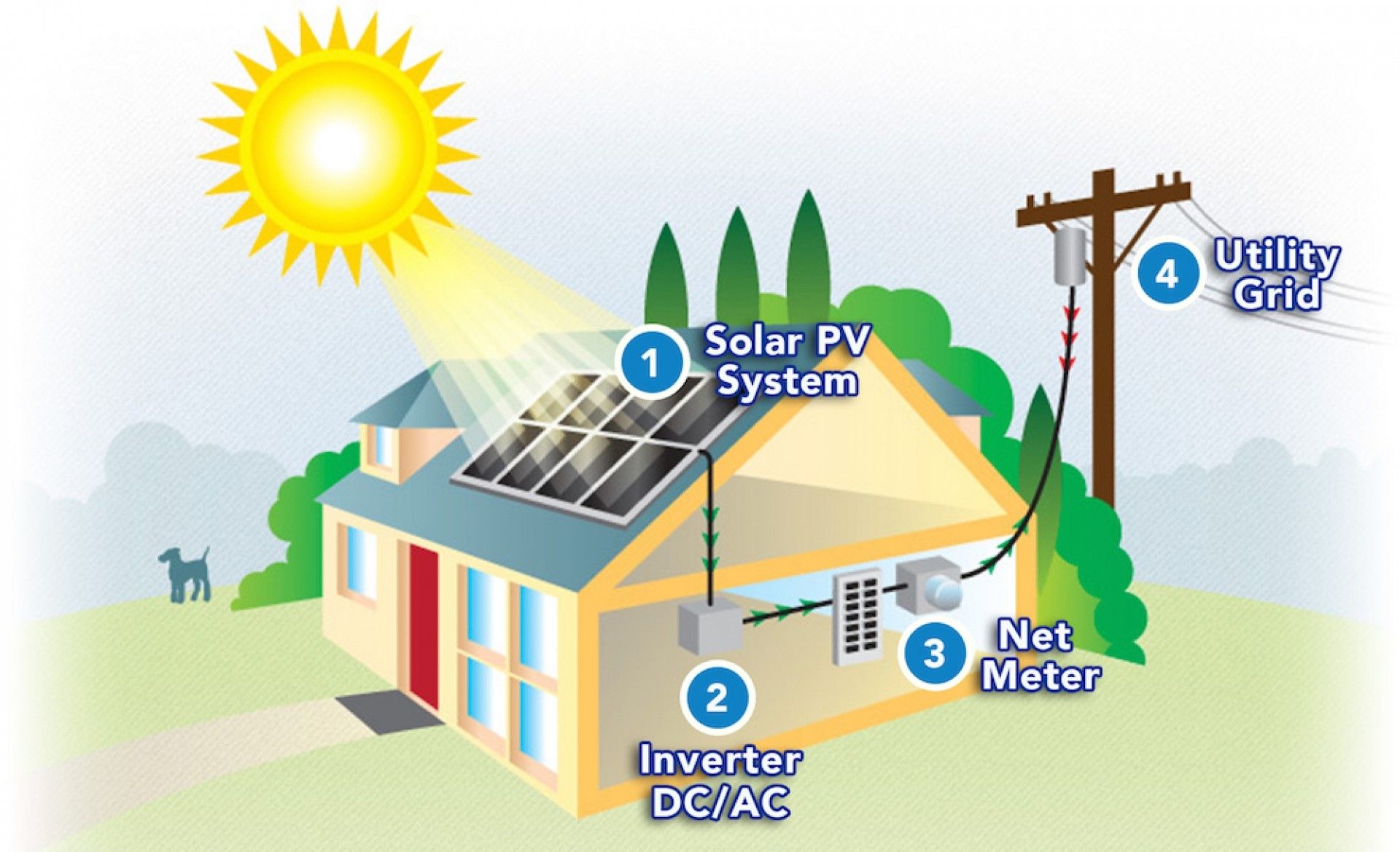
Simply put, if your solar panels produce more energy than you consume, the extra power is sent to the grid. In return, you receive credits that reduce your electricity bill. This makes solar not just a way to save money, but also a way to earn from your investment in renewable energy.

What is Net Metering?

Net metering is a billing mechanism that enables electricity consumers with solar panels to offset their electricity costs by supplying surplus power back to the utility grid. In Pakistan, NEPRA introduced the Net Metering Regulations 2015, which laid the foundation for distributed generation using renewable energy.

  • Eligibility: Consumers with a solar system ranging from 1kW to 1MW can apply.
  • Bidirectional Meter: A special digital meter records both the electricity imported from the grid and the electricity exported to the grid.
  • Billing: At the end of the billing cycle, the exported units are subtracted from the imported units, lowering the net bill.

Why Net Metering is a Game Changer in Pakistan

For a country where electricity demand consistently outpaces supply, net metering offers a win-win solution. It not only empowers consumers to take control of their energy costs but also contributes to the national grid during peak demand hours.12

FeatureBenefit for ConsumersBenefit for Pakistan
Lower BillsConsumers save money by offsetting electricity costs.Reduces strain on national grid.
Excess Power UtilizationEarn credits for electricity not consumed.Encourages renewable adoption.
Energy IndependenceLess reliance on grid electricity.Supports national energy security.

Step-by-Step Process for Getting Net Metering in Pakistan

Applying for net metering involves several steps, but with professional support from companies like SSES, the process becomes seamless. Here’s how it works:

  1. Site Assessment: A qualified solar company inspects your location and determines the best system size.
  2. Application Submission: The company submits an application to your DISCO (Distribution Company) along with technical documents.
  3. System Installation: The solar system is installed according to NEPRA’s guidelines.
  4. Inspection: DISCO engineers inspect the system to ensure compliance with safety and technical standards.
  5. Bidirectional Meter Installation: A net meter is installed to measure both import and export units.
  6. Approval & Agreement: Once approved, the consumer signs an interconnection agreement with DISCO.

The entire process usually takes between 30 to 90 days, depending on the distribution company and system size.

Documents Required for Net Metering Application

To apply for net metering in Pakistan, you’ll need to submit the following documents:

  • Copy of latest electricity bill
  • CNIC of applicant
  • System design and single line diagram
  • Installation certificate from PEC certified engineer
  • Application form provided by DISCO

How Hybrid Solar Systems Work in Pakistan

Hybrid solar systems combine the best features of both on-grid and off-grid systems, making them the most flexible and reliable option for Pakistan’s unique energy landscape. Here’s how they work step by step:

  1. Solar Power Generation: Solar panels capture sunlight during the day and convert it into DC electricity.
  2. Conversion to Usable Energy: A hybrid inverter converts the DC power into AC, which powers your home or business appliances.
  3. Battery Storage: Excess energy generated during the day is stored in high-capacity batteries for use at night or during load-shedding.
  4. Grid Connectivity: If solar and battery power are not sufficient, the system draws electricity from the national grid as a backup.
  5. Energy Export: With net metering, surplus energy can be exported back to the grid, lowering your monthly electricity bills.

Advantages of Hybrid Solar Systems in Pakistan

Hybrid solar solutions offer an unmatched level of flexibility and security, making them the ideal choice for residential, commercial, and industrial users across Pakistan. Here are the top advantages:

  • Energy Independence: Reduce reliance on an unstable grid and rising utility bills.
  • Uninterrupted Power: Batteries ensure 24/7 backup even during blackouts.
  • Cost Savings: Benefit from net metering and reduced monthly energy costs.
  • Future-Proof: Adaptable systems that scale with your growing energy needs.
  • Sustainable Living: Reduce your carbon footprint while enjoying modern conveniences.

Applications of Hybrid Solar Systems in Pakistan

Hybrid systems are highly versatile and suitable for multiple use cases across Pakistan:

  • Residential: Homes in cities and rural areas can enjoy stable, round-the-clock electricity.
  • Commercial: Offices, shops, and schools can reduce operational costs while avoiding interruptions.
  • Industrial: Factories and warehouses benefit from uninterrupted operations and lower power bills.
  • Agriculture: Farmers can power tube wells, cold storage, and machinery without relying on expensive diesel generators.

Hybrid Solar Systems vs. On-Grid and Off-Grid Systems

Many people wonder why they should choose hybrid systems when on-grid and off-grid systems are available. Let’s compare:

FeatureOn-GridOff-GridHybrid
Power BackupNoYesYes (Battery + Grid)
Net MeteringYesNoYes
ReliabilityDepends on GridBattery OnlyHighest (Grid + Battery)
CostLowerHigherModerate (Worth the Value)

Best Hybrid Solar Packages in Pakistan

SSES offers tailored hybrid solar packages for every budget and requirement. Here’s a quick overview:

  • 5kW Hybrid System: Best for small homes. Provides backup and supports essential appliances.
  • 10kW Hybrid System: Suitable for medium homes or small businesses with multiple appliances and ACs.
  • 20kW Hybrid System: Ideal for large homes, offices, or small industries with higher consumption.
  • 50kW Hybrid System: Perfect for factories, warehouses, or farms with heavy machinery and equipment.

Government Incentives for Hybrid Solar Systems

Pakistan’s government has taken steps to encourage renewable energy adoption:

  • Net Metering: Easily sell surplus energy back to the grid for credit on your electricity bills.
  • Reduced Import Duties: Lower tariffs on solar panels and equipment to make systems affordable.
  • Subsidies & Loans: Certain banks and programs offer financing options for solar system installation.

Why Choose SSES for Hybrid Solar Installation?

At SSES, we bring years of experience in designing, installing, and maintaining hybrid solar systems across Pakistan. Here’s why customers trust us:

  • Expert Consultation: We provide customized solutions after analyzing your energy needs.
  • Quality Equipment: We partner with top global brands for panels, inverters, and batteries.
  • Professional Installation: Our certified team ensures seamless setup with maximum efficiency.
  • End-to-End Support: From net metering approvals to after-sales service, we handle everything.
  • Customer Satisfaction: Hundreds of satisfied homeowners, businesses, and industries across Pakistan trust us.

Frequently Asked Questions (FAQs)

1. What is the lifespan of hybrid solar batteries?

Most lithium-ion batteries last 8–12 years, while lead-acid batteries last 3–5 years.

2. Can I upgrade my existing on-grid system to hybrid?

Yes! With a compatible hybrid inverter and batteries, your system can be upgraded.

3. Is hybrid solar worth the extra investment?

Absolutely. Hybrid systems provide energy security, long-term savings, and flexibility that on-grid and off-grid systems cannot match.

4. Do hybrid systems work during rainy or cloudy days?

Yes, the system can draw power from batteries or the grid during low sunlight conditions.

5. How much space do I need for solar panels?

On average, you need 100 sq. ft. of space per kilowatt of installed solar panels.

Conclusion

Hybrid solar systems are the future of energy in Pakistan, offering uninterrupted power, cost savings, and energy independence. With the growing demand for reliable electricity, there has never been a better time to invest in solar energy. At SSES, we are committed to delivering high-quality hybrid solar systems designed for Pakistan’s unique needs. Take control of your energy today — power your life the smarter, cleaner way with SSES.

0 views
0 comments
About the Author
S

SSES Team

Solar Energy Expert

Our expert team brings years of experience in solar energy solutions, providing valuable insights and practical advice for your energy needs.

Get Solar Solution
Ready to switch to solar energy?
Related Posts

Solar Panel Efficiency Guide

Learn about different panel types and their efficiency ratings

Net Metering Explained

Understanding Pakistan's net metering policies

Solar ROI Calculator

Calculate your solar investment returns